How Local Climate Shifts Impact Spring Hill Skin
Positioned right where Johnson and Miami counties meet along the US-169 corridor, Spring Hill experiences true Midwestern seasonal extremes. Blustery prairie winds in early spring and autumn quickly pull moisture from the epidermis, while summer humidity gives way to crisp, dry conditions in late fall. These dramatic swings often show up as sudden tightness after washing your face or makeup that catches across previously smooth areas.
Compounding outdoor weather, indoor comfort systems run constantly throughout the year to counteract local temperature spikes. Forced air heat during winter months and central air conditioning through muggy summers deplete relative indoor humidity. When your skin spends hours moving between outdoor air and climate-controlled rooms, its surface barrier may struggle to retain essential moisture, leading to a dull or drawn appearance.
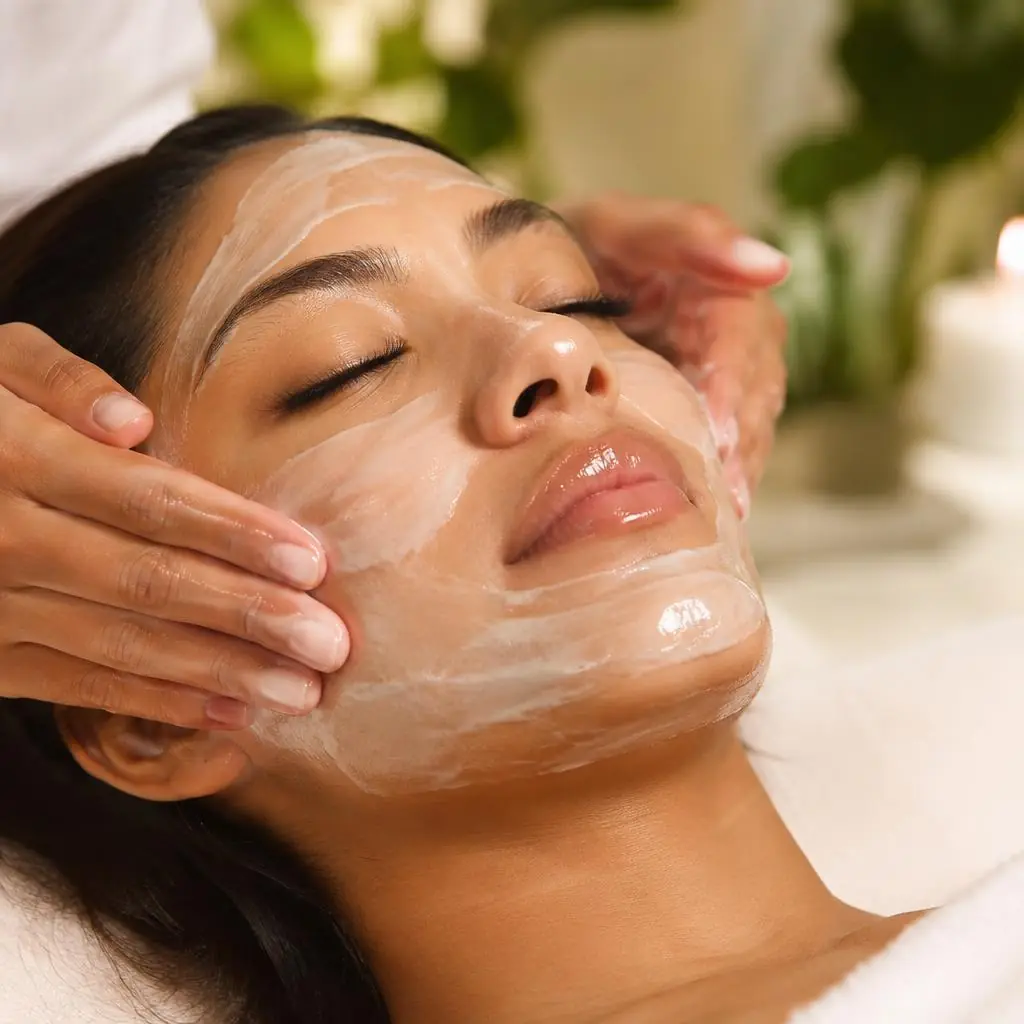
A Seasonal Hydrating Facial may help replenish that lost hydration without stressing the skin barrier. By focusing on humectants, moisture-binding ingredients, and gentle nourishment, the session addresses the specific toll taken by local weather shifts, helping your complexion feel calm, supple, and supported through changing seasons.
Planning Your Visit from Spring Hill to Overland Park
Because our clinic is situated in southern Johnson County, connecting with us from Spring Hill is straightforward and uncomplicated. Clients traveling from neighborhoods near 199th Street or Downtown Spring Hill generally take US-169 North into southern Johnson County, transitioning smoothly onto main east-west arteries toward 135th Street.
Our spa is located at 11740 W 135th St, Suite 4, Overland Park, KS 66221, operating inside KC Injectables Med Spa. Many clients prefer pairing their facial appointment with everyday errands, grocery runs, or lunch dates along the bustling 135th Street retail and dining corridor before making their calm trip back home south.
Arriving for your visit without feeling rushed sets a relaxing tone for your appointment. Because our focus is on restorative care, your time in the treatment room gives you an intentional pause to step away from daily routines while receiving focused attention designed around your skin's immediate seasonal needs.
Caring for Your Skin After Time Outdoors in Spring Hill
After receiving a hydrating facial, taking care of your skin barrier helps prolong that comfortable, nourished feeling. If you are heading out to walk the trails at Veterans Park or spending an afternoon exploring Downtown Spring Hill, plan to support your freshly treated complexion with thoughtful daily protection.
Direct sun exposure and strong winds can quickly sap moisture from newly hydrated skin. We suggest applying a broad-spectrum mineral sunscreen before stepping outdoors, pairing it with a protective hat on exceptionally bright or windy days. Keeping your cleansing routine mild and lukewarm that evening prevents stripping away the beneficial humectants applied during your treatment.
Avoid using abrasive manual scrubs, strong acids, or heavy active ingredients for a day or two after your facial. Allowing your skin time to integrate the deeply hydrating ingredients ensures your barrier stays fortified against the elements you encounter each day across southern Johnson County.
Choosing Hydrating Care Versus Active Resurfacing Treatments
Clients often wonder whether they should book an intensive corrective procedure, like microneedling, or opt for a moisture-focused facial. When skin feels tender, taut, or shows signs of dehydration lines, adding aggressive exfoliation or remodeling can sometimes cause unnecessary reactivity or increased irritation.
If your skin feels depleted after recent travel, dry weather, or an aggressive home routine, starting with comfort is typically the wiser approach. The Seasonal Hydrating Facial focuses on restoring vital moisture levels and soothing irritation. This approach helps create a resilient base that may better tolerate more active treatments down the road.
Our practitioners assess your skin surface during your consultation in Overland Park to ensure the treatment fits your present goals. If your barrier feels calm, balanced, and sufficiently hydrated, we can discuss whether advanced resurfacing aligns with your seasonal skincare plans.
Balancing Combination Skin and Surface Flaking
It is common for Spring Hill clients to experience conflicting skin signals, such as an oily forehead or nose paired with tight, flaky cheeks. Dehydration affects moisture content within the skin rather than oil production, meaning skin can produce excess sebum while still lacking adequate water.
When combination skin becomes dehydrated, heavy creams can feel suffocating and lead to congestion, while harsh drying cleansers only make surface tightness worse. A seasonal facial utilizes balanced, water-loving formulas that saturate thirsty cells without depositing thick, pore-clogging residues across the T-zone.
This balanced approach may help smooth rough texture so your foundation applies evenly rather than clinging to parched patches. You leave with a fresher, softer skin feel that feels comfortable and properly balanced throughout the day.
Who it may suit
- People noticing tightness or a less comfortable skin feel as seasons change.
- Clients whose skin feels depleted after travel or time in dry indoor environments.
- Those with oily areas alongside dehydration or surface flaking.
- People wanting a comfort-focused facial rather than an intensive resurfacing treatment.
- Clients reassessing a routine that feels too harsh for current conditions.
Concerns it may help address
- Tightness after cleansing or through the day.
- A dull appearance associated with a dry-feeling surface.
- Fine dehydration lines that vary with skin comfort.
- Makeup catching on flaky or uneven-feeling areas.
- Seasonal changes in tolerance for existing skincare products.
Distinguish dehydration from a naturally dry skin type
Dehydration describes a lack of water in the outer skin layers, while dry skin is commonly associated with lower oil production. They can overlap, but they are not identical. Someone with shine and congestion may still feel tight after cleansing, and a product that controls oil aggressively can make that discomfort more noticeable.
Your esthetician will ask about when tightness occurs, what you use to wash, and whether symptoms improve with moisturizer. This discussion helps guide cosmetic care, but it does not diagnose a skin condition. Persistent scaling, cracking, itch, or inflammation may indicate more than ordinary seasonal dehydration and should receive appropriate medical attention.
Choose comfort before unnecessary exfoliation
Flaking does not always mean that the skin needs to be scrubbed. When the barrier is irritated, additional exfoliation can increase stinging and water loss. A hydrating appointment may therefore emphasize gentle handling and moisturizing products, with exfoliation reduced or omitted if that is the more suitable choice for your current skin.
Your esthetician will confirm the actual products and steps rather than assuming a standard mask, device, or formulation. Tell them about fragrance sensitivity and previous reactions, including reactions to products marketed as natural or soothing. A hydrating label does not guarantee that every ingredient will agree with every person.
Adjust the routine without changing everything
A useful seasonal adjustment might involve gentler cleansing, more consistent moisturizing, or reconsidering how often an exfoliant is used. It does not necessarily require replacing the entire routine. Introduce changes thoughtfully so you can identify what improves comfort and what causes irritation, particularly if your skin has become less predictable.
The appointment may provide a temporary improvement in softness or surface appearance, but ongoing conditions still matter. Hot showers, repeated washing, dry air, and unprotected sun exposure can undermine comfort afterward. If a prescription product is involved, ask your treating clinician about managing dryness instead of independently stopping or reducing treatment.
Before, during and after
before
Describe when tightness began, the environments you spend time in, and any recent changes in cleansing or active skincare.
during
Your esthetician will confirm the moisture-focused steps and avoid assuming that stronger exfoliation is needed for every flaky area.
after
Review a manageable routine that maintains comfort and includes sun protection without adding unnecessary active products.
Is it right for you?
A consultation or referral may be appropriate when:
- Sunburned, cracked, infected, or significantly inflamed skin may need postponement and medical advice.
- Persistent itch or scaling should not automatically be labeled simple dehydration.
- Known allergies and fragrance sensitivity should guide product selection.
- Prescription skincare, recent procedures, pregnancy, and nursing should be disclosed before treatment.
Preparation
- Bring the names of your cleanser, moisturizer, sunscreen, and active products.
- Describe whether the skin feels tight, itchy, burning, or simply rough.
- Avoid using an extra scrub or peel to remove flakes before the appointment.
- Mention recent flights, swimming, sun exposure, or changes in your work environment.
- Ask your treating clinician about prescription-related dryness rather than changing medication yourself.
Aftercare
- Cleanse gently with comfortable water temperature and avoid vigorous rubbing.
- Use a suitable moisturizer consistently rather than waiting until tightness becomes pronounced.
- Apply broad-spectrum sunscreen and use practical protection from direct sun.
- Follow guidance before resuming exfoliants or other products that may sting.
- Seek advice if persistent cracking, itching, or inflammation continues despite gentle care.
Preparation and aftercare above are general guidance; your provider gives final instructions for your appointment.
Realistic expectations
- Skin may feel softer or more comfortable, but the improvement may be temporary.
- A hydrating facial does not treat the underlying cause of eczema or another medical condition.
- Fine lines related to dehydration may look less noticeable without being permanently removed.
- Maintaining comfort depends on daily care and ongoing environmental exposure.
How it compares
Compare moisture-focused care with options designed around sensitivity, texture, or broader assessment.
| Option | Best for | Experience | Downtime |
|---|---|---|---|
| Sensitive-skin facial | Reactivity and ingredient tolerance as the main concerns. | A conservative discussion centered on avoiding triggers. | Depends on sensitivity and the products selected. |
| Anti-aging facial | Fine lines and visible texture alongside hydration concerns. | A broader focus on surface signs associated with aging. | Varies if additional exfoliation is selected. |
| Hydradermabrasion | Selected surface concerns when the treatment method is appropriate. | A distinct device-based category, not automatically branded HydraFacial. | Your esthetician will confirm the method and recovery considerations. |
| Esthetician’s choice facial | Uncertainty about whether dehydration is the main issue. | A consultation-led approach to overlapping concerns. | Depends on the steps agreed during assessment. |
Planning your visit from Spring Hill, KS
Spring Hill spans Johnson and Miami counties along US-169 at the southern edge of the metro.
We don’t have an office in Spring Hill. We welcome clients from Spring Hill at our Overland Park spa — 11740 W 135th St, Suite 4, Overland Park, KS 66221, inside KC Injectables Med Spa. Major roads in and around Spring Hill include US-169, 199th Street; the Google Maps directions link below gives you live routing and timing.
Adapt moisture-focused care to local weather, indoor heating or cooling, and the environments your skin encounters each day.