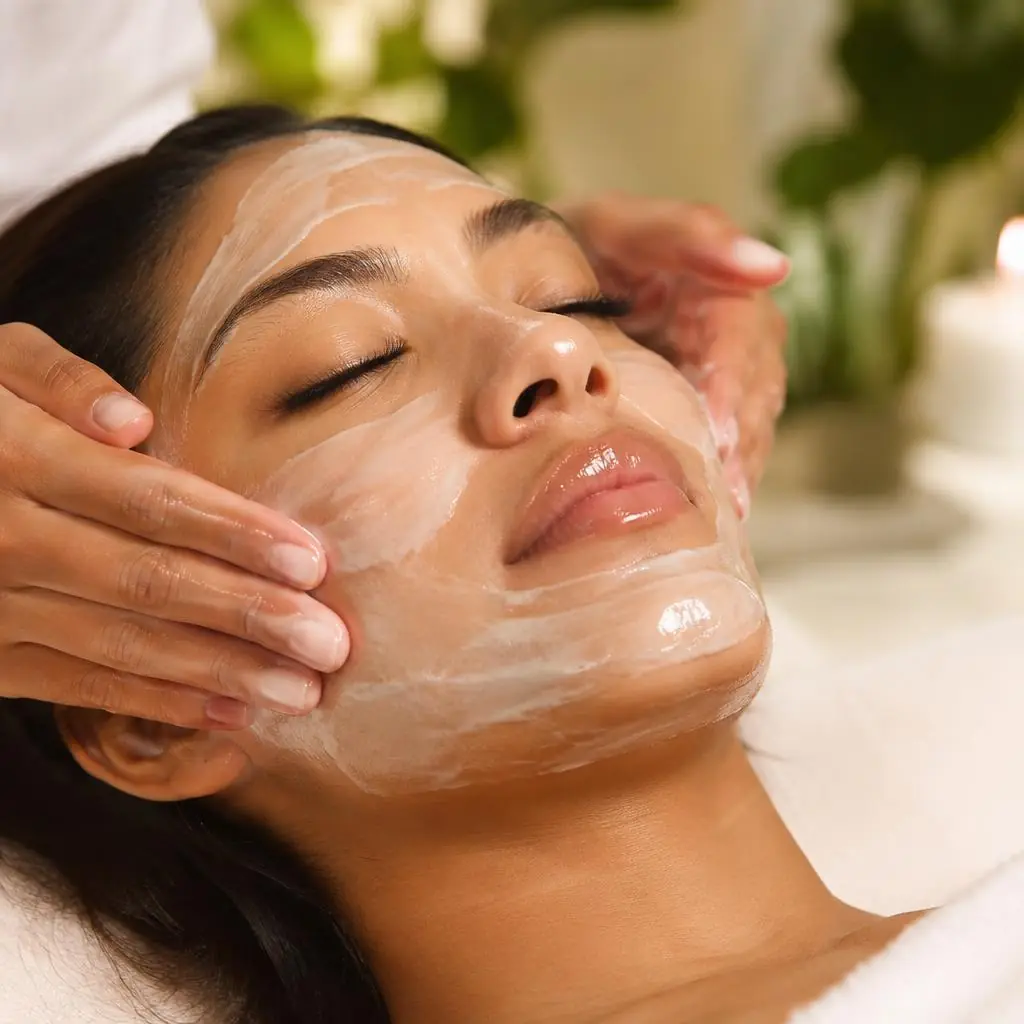
Who it may suit
- Clients curious about the Antioxidant Peel service who want its actual formulation explained before booking.
- People considering a peel for suitable dullness or surface texture concerns after a professional assessment.
- Those who prefer an ingredient-aware discussion rather than choosing treatment by a wellness-sounding label.
- Clients prepared to disclose allergies and reactions, including reactions to products marketed as natural or botanical.
- People willing to choose a hydration-focused or comfort-focused facial instead if exfoliation is not appropriate.
Concerns it may help address
- Dull-looking skin when the aim is a realistic cosmetic improvement rather than a detoxification claim.
- Uneven-feeling surface texture that may or may not benefit from additional exfoliation.
- Questions about whether antioxidant language identifies the active peel ingredients or overall treatment intensity.
- A history of reacting to botanical extracts, fragrance, or complex skincare formulas.
- Uncertainty about choosing between a named peel, a broader facial assessment, and a hydration-focused service.
What the name can and cannot tell you
Antioxidants are a broad ingredient category, and their presence alone does not explain how a finished peel works. Formulation, application, and individual tolerance all matter. Until the spa confirms the actual product and protocol, it would be misleading to promise a particular ingredient benefit or compare this service by strength.
Ask which ingredients are relevant to your known allergies and whether the proposed treatment includes additional products. A reassuring label is not an allergy screen. Even familiar ingredients can behave differently in a different formulation, and products described as natural are not automatically less irritating.
Separating cosmetic goals from broad claims
A reasonable consultation identifies a specific cosmetic priority, such as a dull-looking surface, rather than promising to detoxify skin or reverse environmental exposure. Ask what visible or sensory change may be realistic and what this treatment is not intended to address. Clear limits make comparisons more useful.
A peel does not replace sunscreen, medical care, or a manageable daily routine. If dryness, stinging, or persistent redness is your main concern, additional exfoliation may not be the best starting point. Your esthetician may recommend a different facial direction or postponement until the skin has been assessed appropriately.
Choosing a plan that fits your routine
Bring the products you actually use, including occasional exfoliants, masks, and prescribed treatments. Layering several sources of irritation can matter even when each product seems mild on its own. The aim is to understand the whole routine before adding a professional peel, not to judge products in isolation.
After the appointment, consistency and observation are more useful than immediately adding more active products. Follow instructions for the confirmed protocol, notice how your skin responds, and ask before repeating treatment. A comfortable response can inform future planning, but it does not establish that every peel or product will suit you.
Before, during and after
before
Ask the spa to confirm the exact formulation and protocol. Share your allergies, routine, medications, treatment history, and goals so suitability can be reviewed before proceeding.
during
The provider follows the confirmed application approach and monitors your response. Report significant discomfort or an unexpected sensation promptly rather than assuming that stronger feelings indicate better results.
after
Receive instructions specific to the treatment performed, including product use and sun protection. Ask what reactions are expected and when to contact the spa or seek medical advice.
Is it right for you?
A consultation or referral may be appropriate when:
- An ingredient allergy requires review of the complete proposed product selection before the appointment.
- Active irritation, infection, sunburn, or broken skin may make a peel inappropriate at that time.
- Pregnancy and breastfeeding require assessment of the actual formulation rather than assumptions about antioxidant ingredients.
- A history of pigment changes after inflammation should be included in the treatment risk discussion.
- Recent procedures and medications may affect tolerance or healing and can require clinician guidance.
Preparation
- Provide a current product list, including occasional masks, exfoliants, and prescribed skincare.
- Share specific allergens and describe previous reactions rather than relying only on the label sensitive skin.
- Ask how to schedule the appointment around hair removal, other procedures, and outdoor plans.
- Do not stop prescription medication without instructions from your treating clinician.
- Avoid trying unfamiliar actives before the appointment or using home exfoliation to prepare for the peel.
Aftercare
- Follow the cleansing and moisturizing guidance provided for the exact protocol and your skin response.
- Use suitable broad-spectrum sunscreen along with shade and protective clothing.
- Leave flaking skin alone rather than picking, rubbing, or adding scrubs to accelerate shedding.
- Ask when optional actives, makeup, facial devices, and further treatments can appropriately resume.
- Seek medical advice for significant swelling, blistering, increasing pain, spreading redness, or other concerning changes.
Preparation and aftercare above are general guidance; your provider gives final instructions for your appointment.
Realistic expectations
- A cosmetic improvement in skin appearance or feel may occur, but the response cannot be guaranteed.
- The service name does not establish a gentle intensity, a fragrance-free formula, or a recovery-free experience.
- Visible flaking can vary and should not be treated as a required sign that the treatment worked.
- Your esthetician will confirm whether further treatment is useful after reviewing your response and goals.
How it compares
Compare the confirmed purpose and protocol rather than assuming antioxidant language makes this peel milder or more suitable than another option.
| Option | Best for | Experience | Downtime |
|---|---|---|---|
| Chemical Peels | Clients who want an overview before selecting a named peel. | A framework for comparing goals, tolerance, and recovery questions. | Depends on the specific treatment ultimately selected. |
| Seasonal Hydrating Facial | Clients whose main priority is hydration rather than selecting a peel. | A hydration-focused facial discussion without assuming exfoliation is necessary. | Your esthetician will confirm the chosen approach. |
| Anti-Aging Facial | Clients exploring a broader facial approach to age-related cosmetic concerns. | A goals-led discussion rather than an ingredient-label decision. | Depends on the selected steps and individual response. |