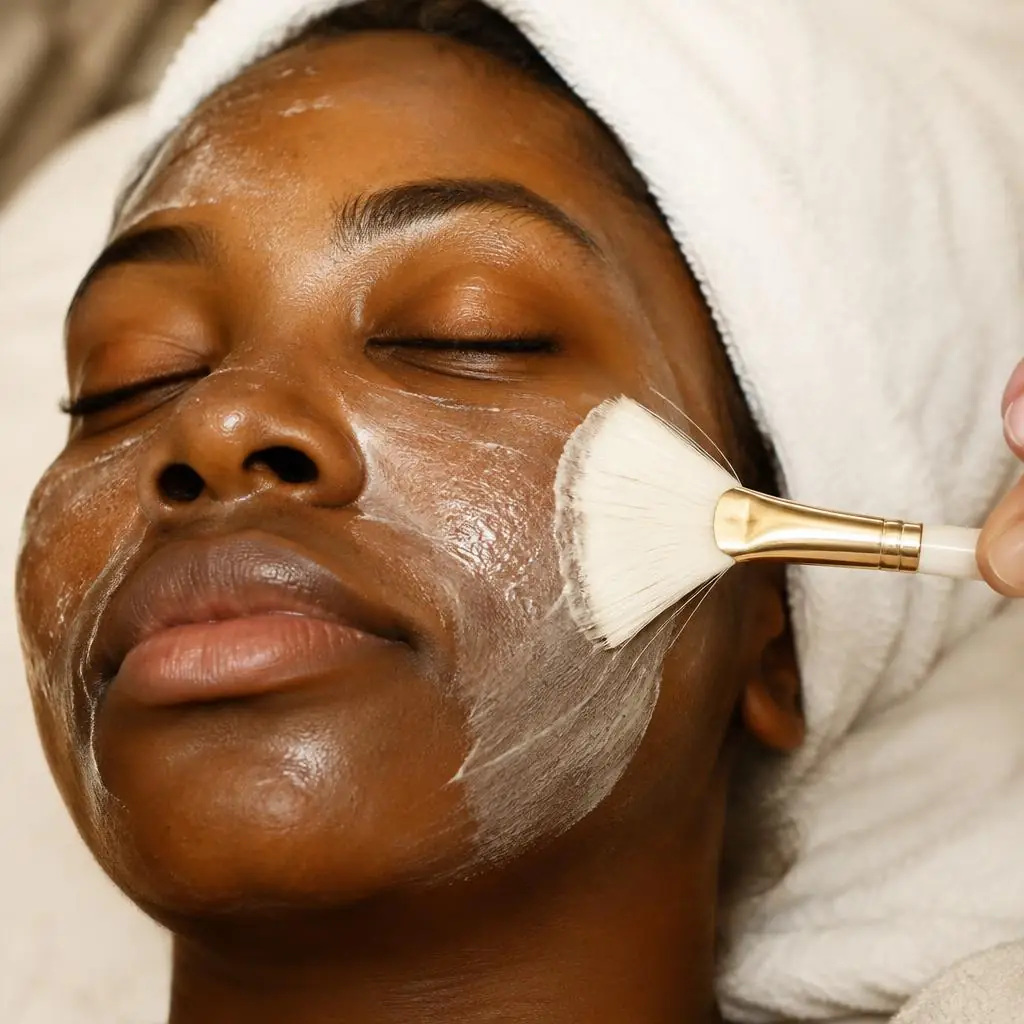
Who it may suit
- First-time facial clients who want guidance before choosing a targeted treatment.
- People whose skin alternates between congestion, dryness, and sensitivity.
- Clients returning after a routine change who need their skin reassessed.
- Those wanting a practical treatment discussion without arriving with a self-diagnosis.
- People who prefer an explained, collaborative approach to product and step selection.
Concerns it may help address
- Several mild cosmetic concerns that are difficult to prioritize.
- Skin that feels different after weather, travel, or routine changes.
- Uncertainty about tolerance for exfoliation or extractions.
- A crowded skincare routine with unclear benefits or frequent irritation.
- The need to distinguish a cosmetic concern from something requiring medical advice.
A useful consultation starts with ordinary details
Describe what you notice in everyday terms: tightness after washing, shine by midday, makeup catching on dry areas, or stinging after certain products. These observations are often more useful than choosing a fixed skin-type label. Bring your current routine and explain how often you actually use each product, including occasional masks and exfoliants.
Your esthetician can then discuss a main priority and identify factors that limit treatment choices. Recent procedures, sun exposure, medication, allergies, and a history of reactions all matter. Cosmetic assessment has limits, however; a persistent rash, changing lesion, or unexplained inflammation may need evaluation by a qualified medical professional before treatment.
Customization should be specific and transparent
Ask what is being selected and why. A plan might emphasize gentle cleansing and moisture, or it might include suitable exfoliation and attention to congestion. These are examples rather than promised inclusions. Your esthetician will confirm the actual steps, any optional additions, and whether a different named facial would better describe the recommended service.
You should also be able to discuss comfort preferences and decline an optional step. Strong sensation, visible redness, or an especially complicated sequence does not establish treatment quality. If your skin becomes uncomfortable, the plan should be reassessed rather than continued simply because a step appeared on the original outline.
Use the appointment to simplify the next steps
A useful outcome is knowing what to do after you leave. That may mean maintaining a gentle routine, changing how often you exfoliate, or introducing only one suitable product at a time. Buying several new products together can make it difficult to tell what helps and what causes a reaction.
Future appointments should build on what happened, not restart the assessment from scratch. Note how your skin feels during the following days and mention any delayed irritation. If one concern becomes dominant, a seasonal hydrating, acne-fighting, or hyperpigmentation facial may become a clearer choice than continuing with a broad approach indefinitely.
Before, during and after
before
Share your priorities, actual product use, previous reactions, medications, and any upcoming event that affects treatment timing.
during
Discuss the recommended steps and ask for clarification before optional products or techniques are introduced.
after
Leave with a focused home-care plan and an explanation of what would justify a different treatment next time.
Is it right for you?
A consultation or referral may be appropriate when:
- A customized label does not make treatment appropriate over infection, open skin, or active cold sores.
- New or persistent rashes should be medically assessed rather than disguised with cosmetic treatment.
- Pregnancy, nursing, and prescription treatments need disclosure before product selection.
- Recent aggressive exfoliation or procedures may make a gentle or postponed appointment preferable.
Preparation
- List your routine accurately, including products used only occasionally.
- Choose one or two priorities rather than expecting every concern to change at once.
- Mention anything you definitely do not want included so preferences can be discussed.
- Avoid trialing unfamiliar strong products immediately before your appointment.
- Ask your treating clinician before changing prescription skincare or other medication.
Aftercare
- Follow the advice for the actual steps performed, not generic advice for every facial.
- Keep cleansing and moisturizing simple if the skin feels temporarily sensitive.
- Use broad-spectrum sunscreen and reduce unnecessary direct sun exposure.
- Reintroduce potentially irritating products according to the instructions you receive.
- Record delayed discomfort or reactions and share them before your next treatment.
Preparation and aftercare above are general guidance; your provider gives final instructions for your appointment.
Realistic expectations
- The appointment may improve comfort or surface appearance without resolving every concern.
- A tailored approach may involve fewer active steps, not a more intensive treatment.
- Skin tolerance can change, so a future appointment may use a different approach.
- Medical conditions and persistent acne may need care beyond a cosmetic facial.
How it compares
Choose the broad approach when assessment is the priority; choose a targeted option when the main goal is clearer.
| Option | Best for | Experience | Downtime |
|---|---|---|---|
| Seasonal hydrating facial | A clear priority of dryness, dehydration, or reduced comfort. | A more specifically moisture-focused treatment discussion. | Depends on product tolerance and any exfoliation selected. |
| Acne-fighting facial | Congestion and breakout-prone skin as the dominant concern. | A more targeted conversation about inflammation and suitable congestion care. | Temporary redness is possible, particularly with appropriate extractions. |
| Sensitive-skin facial | Reactivity and limited product tolerance as the main priority. | A treatment emphasis on minimizing potential irritation. | Reactions remain possible even with a conservative approach. |